Regional Variations in Loyalty Program Structures Across Virtual Table Game Networks and Their Ties to Emerging Payment Gateways
Written by Willa Schmid · Nov 4, 2026
Regional Variations in Loyalty Program Structures Across Virtual Table Game Networks and Their Ties to Emerging Payment Gateways
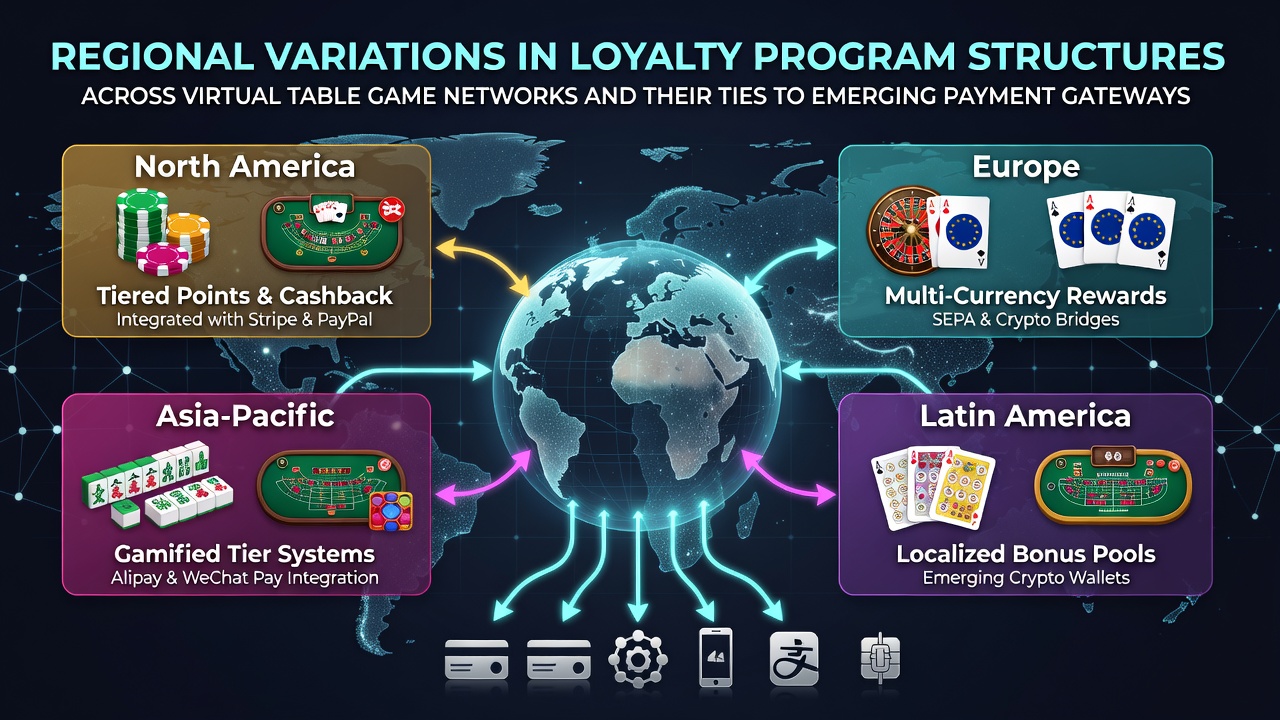
Data from industry reports shows virtual table game networks operate loyalty structures that differ sharply by region, and these programs increasingly link directly to payment gateway choices that determine point accrual rates along with redemption options. Observers note North American platforms often tie rewards to state-specific deposit methods while European networks emphasize cross-border wallet integrations that adjust based on transaction volume and player location data.
North American Structures and Payment Integration Patterns
Platforms serving multiple US states structure loyalty points around blackjack and poker sessions with multipliers that activate only when deposits arrive through approved gateways such as regional bank transfers or licensed e-wallets. Research from the Nevada Gaming Control Board indicates these systems track play volume in real time and adjust tier progression based on average deposit size, which creates regional differences where Nevada-focused networks reward larger single transactions more generously than multi-state operators handling smaller frequent deposits. Canadian networks meanwhile apply similar mechanics yet incorporate provincial payment preferences that favor Interac-based gateways, and data shows these choices influence how quickly players reach higher tiers offering table game cashback.
Those tracking these networks find that emerging gateways like instant bank verification services now feed directly into loyalty algorithms, allowing point bonuses when players select faster settlement options during peak hours in November 2026. This integration reduces friction between deposits and reward eligibility while maintaining compliance with varying state rules on bonus structures.
European Variations and Cross-Border Gateway Influences
European virtual table game operators segment loyalty programs by licensing jurisdiction, and Malta-based networks commonly connect points systems to SEPA instant payments and digital wallets that support multi-currency conversions. Figures from the European Gaming and Betting Association reveal these programs calculate rewards using transaction metadata that includes gateway type, with certain e-wallet providers unlocking accelerated accrual for roulette and baccarat tables. In contrast, operators focused on Central European markets often prioritize local bank gateways that impose daily limits, which in turn caps the speed of tier advancement compared to Western European setups.
What's notable is how privacy regulations in several EU countries require loyalty platforms to separate payment data from play tracking, forcing networks to build indirect links between gateways and reward ledgers. This separation creates unique structures where players using privacy-focused gateways receive delayed point postings yet gain access to region-exclusive redemption catalogs for table game credits.
Asian Market Approaches and Emerging Gateway Ties
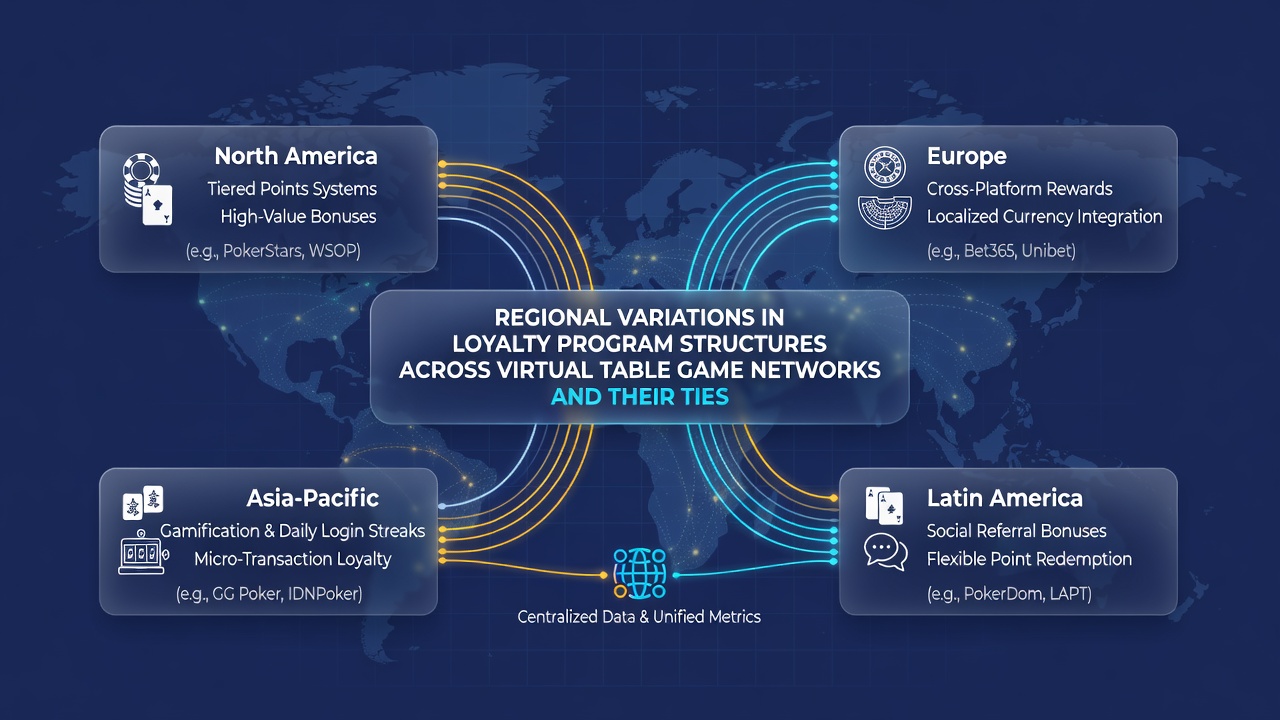
Asian virtual table game networks frequently blend loyalty mechanics with mobile-first payment gateways including regional digital wallets and cryptocurrency options that adjust point values based on volatility indexes. Observers tracking Singapore and Japan-facing platforms note that these systems reward consistent use of stablecoin gateways with bonus multipliers during tournament periods, whereas networks serving broader Southeast Asian audiences tie rewards more closely to local bank transfer volumes. Data indicates these regional differences stem from regulatory requirements that dictate which gateways can process table game deposits without triggering additional verification layers.
Networks in this region also experiment with hybrid structures that link loyalty points to gateway speed, allowing faster redemptions when players choose instant options during high-traffic windows. Such ties help platforms manage player retention across time zones while complying with local financial reporting rules that evolved through 2026.
Technical Connections Between Loyalty Algorithms and Gateway Data
Virtual table game platforms feed gateway transaction details into loyalty engines that recalculate point values based on regional risk profiles and settlement times. Researchers studying these connections find that North American and European operators both use API integrations to verify deposit sources before awarding bonuses, though the verification depth varies by jurisdiction. Asian networks often layer additional checks on cryptocurrency gateways, which affects how quickly players access tier benefits tied to poker or blackjack volume.
These technical links also support dynamic reward scaling where payment method popularity in a given region influences bonus percentages, and platforms adjust these scales monthly using aggregated transaction data. The result produces loyalty programs that feel localized even when the underlying table game software remains consistent across borders.
Conclusion
Regional loyalty structures in virtual table game networks continue evolving alongside payment gateway developments, and the connections between deposit methods and reward eligibility now shape player progression paths across North America, Europe, and Asia. Data from regulatory bodies and industry associations shows these ties create measurable differences in accrual speed and redemption flexibility that operators must navigate when expanding networks. As gateway technologies advance, the alignment between payment choices and loyalty mechanics will likely remain a central factor in how platforms structure rewards for table game participants worldwide.